
A MISSION IN HER WORDS
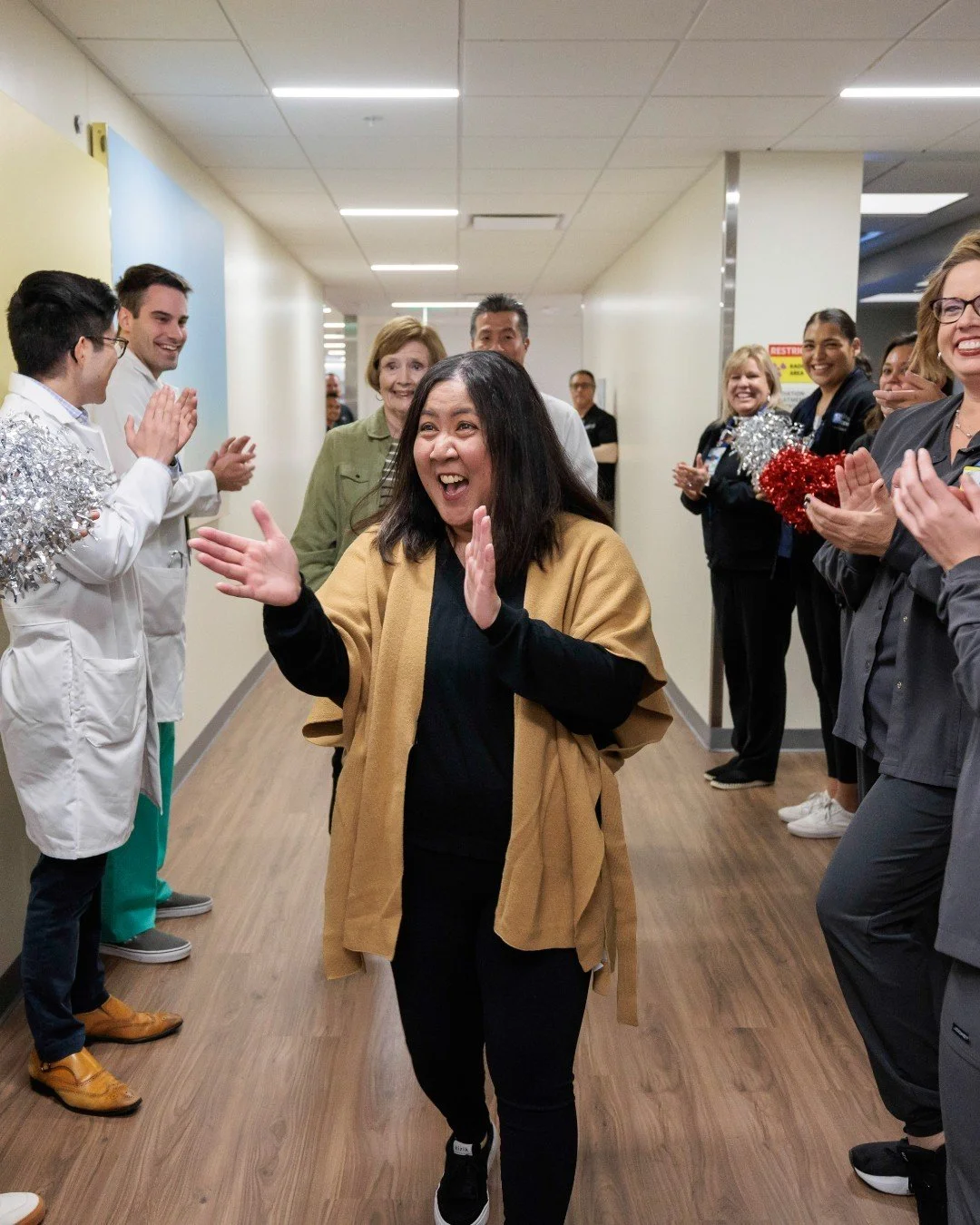
Lung cancer doesn’t only happen to smokers.
Up to half of Asian women diagnosed with lung cancer have never smoked a cigarette in their lives. Most don't fit the screening guidelines. Many are told they're too young, too healthy, too low-risk, until it's too late. This is a place to learn, to find your footing, and to know you're not alone.
“If my journey can be a help to others — to help them navigate their options, for my case to inform life-saving research, or to help people not feel alone — it’s all worth it.”
Wherever you are in this, there’s something here for you.
-
I want to learn
Why Asian women face unique lung cancer risks, what EGFR mutations are, and what every woman should know, even if you feel completely healthy.
-
I have symptoms
What to watch for, when to act, and how to advocate for the right tests when a doctor says “you’re too young to worry.”
-
I have a diagnosis
A soft place to land. Treatment options in plain language, questions for your oncologist, support communities, and resources for your family.
-
I want to help
Donate to City of Hope in Lauren’s memory, fundraise with your community, or share this site with someone who needs it.
THE NUMBERS MOST PEOPLE DON’T KNOW
The disease guidelines weren’t built for us.
~50%
of Asian women with lung cancer have never smoked, compared to roughly 15% globally.
FANS Study, UCSF
1 in 5
non-smoking Asian American women may carry an EGFR mutation linked to lung cancer.
Emerging research, FANS
0
major U.S. screening guidelines currently recommended lung cancer screening for never-smokers.
USPSTF, current as of 2024
Most
EGFR-positive lung cancers are diagnosed at later stages, but targeted therapies are transforming outcomes.
National Cancer Institute
WHAT GETS IN THE WAY
Sometimes the hardest part is getting taken seriously.
For many Asian women, the path to early diagnosis runs through layers of complex personal and systemic barriers — deference to doctors, hesitation to burden others, family members who don’t want to talk about illness, shielding people we love from bad news, and a healthcare system that still equates lung cancer with smoking.
Here are the moments where things can go wrong, and what you can say when they do.
-
What to say back: “I understand, but Asian women have unusually high rates of EGFR-positive lung cancer even as never-smokers. I’d like a low-dose CT scan and to discuss biomarker testing.” Bring our printable advocacy card to your appointment.
-
A gentler approach: Many Asian families practice protective silence around illness and tough situations. But informed loved ones can offer real support. Our family conversation guide has scripts to help you get started.
-
Reframe: Second opinions are a normal part of cancer care. Top oncologists expect and welcome them. Asking is not disrespect. It’s good medicine, and it could save your life.”
-
You have options: Major cancer centers offer free interpreter services. The FANS study and partner organizations provide multilingual navigators. We’ve gathered culturally competent resources to support.
Built around her words and wishes.
Lauren was diagnosed with EGFR-positive lung cancer in 2021. She had never smoked, valued healthy living, and dedicated her time to helping others achieve their life and fitness goals. Her love and care for people and desire to help them see their potential was built into every action, even through the toughest moments.
She received world-class care from the teams at City of Hope in Duarte and Orange County. Even during treatment, she volunteered to help other patients navigate the CoH facilities. Her journey came to an end and she was called Home in December of 2025. Along the way, she said two things that became the heart of this project.
The first was about meaning. If her own experience could help others navigate their options, contribute to research, or simply make someone feel less alone, her journey was worth something.
The second was about presence:
“We are not promised tomorrow. Don’t waste the gift of today.”
CONTINUE LAUREN’S CARE
Every gift goes to the patients at City of Hope, where Lauren was treated.
City of Hope provided Lauren with the world-class research, targeted treatment, and human support that shaped the final years of her life. Donations made here go directly to lung cancer research and patient support at City of Hope, in her memory.
You can also start your own fundraiser, or share this site with someone who needs it.